
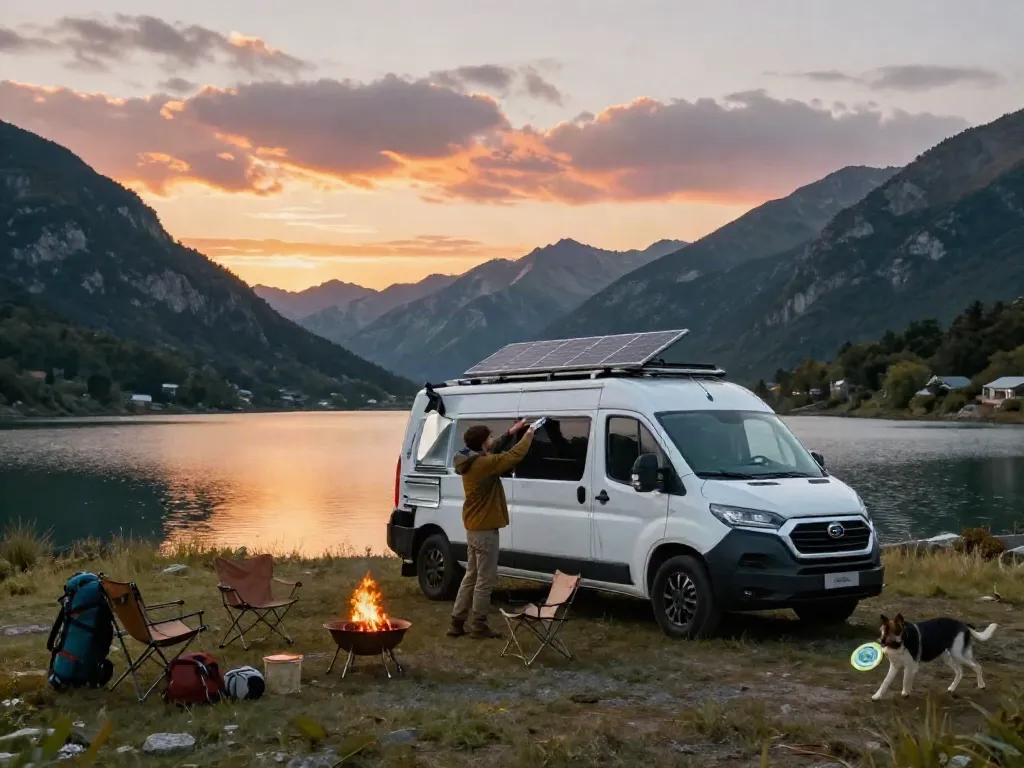
Understanding Van Conversion Electrics
As the van life movement accelerates, understanding the intricacies of campervan electrics becomes essential for both seasoned van dwellers and newcomers. A well-planned electrical system is crucial to ensure a reliable power supply for lights, appliances, and even charging devices. This article will delve into the basics of van electrification, address common misconceptions that may lead to costly mistakes, and outline essential components for creating an efficient electrical system in your campervan. For a deep dive into practical resources, you can explore the rokok88 link, a hub filled with valuable insights and guides for aspiring van lifers.
What Are the Basics of Van Electrification?
Understanding the fundamental concepts of van electrification is the first step to a successful conversion. The electrical system typically includes batteries, solar panels, an inverter, and necessary wiring. A campervan’s electrical system must accommodate the power demands of various devices, such as refrigerators, fans, lights, and gadgets.
Common Misconceptions about Campervan Wiring
There are several misconceptions surrounding campervan wiring that can lead to inefficient setups or safety hazards. One common myth is that all wiring and electrical components are universal. In reality, different devices require various specifications, and using mismatch wiring can lead to malfunctions and potential fire hazards.
Essential Components for an Efficient Electrical System
- Batteries: These are the heart of your electrical system, providing the energy needed when you're off-grid.
- Solar Panels: An excellent way to generate renewable energy, reducing reliance on traditional power sources.
- Inverters: These convert stored energy from batteries into usable AC power for standard appliances.
- Wiring and Fuses: Proper wiring and fuses ensure safe and efficient power distribution within the van.
Choosing the Right Battery Size
Choosing the appropriate battery size for your campervan is a critical part of your electrical planning. A battery that is too small will leave you short on power, while an oversized battery can take up valuable space and may not be cost-effective.
Factors Affecting Battery Size Decision
Several factors determine the ideal battery size for your campervan, including your energy consumption habits, the number of appliances you plan to use, and how long you intend to stay off-grid.
How to Calculate Your Power Needs
To accurately calculate your power needs, start by listing all the devices you intend to use and their respective wattage. Calculate the total watt-hours you will require daily and consider how many hours of sunlight you expect to receive for solar charging if you plan to go that route.
Popular Battery Types for Campervans
- AGM Batteries: Absorbent Glass Mat batteries are maintenance-free and provide solid performance for campervan applications.
- Lithium-ion Batteries: These are lightweight, longer-lasting, and have a higher depth of discharge, making them increasingly popular among van lifers.
- Lead-Acid Batteries: While traditional, lead-acid batteries can be bulky and require maintenance.
Solar Power Solutions for Your Van
Solar energy is a game-changer for van lifers, offering a sustainable way to power your adventures. By harnessing the sun's energy, you can extend your off-grid capabilities and enjoy the freedom that comes with it.
Understanding Solar Panel Options
There are various types of solar panels available, including monocrystalline, polycrystalline, and thin-film panels. Each type has its own pros and cons regarding efficiency, space requirements, and cost. Monocrystalline panels tend to be more efficient but are also pricier.
Installing Solar Panels: Step-by-step Guide
- Choose the right solar panels and mounting hardware.
- Measure and prepare the roof area of your van for installation.
- Secure the panels using appropriate brackets and sealants.
- Connect the panels to a solar charge controller, which manages battery charging.
- Wire everything correctly to avoid shorts and malfunctions.
Benefits of Solar Energy for Van Living
- Renewable Energy: Solar panels convert sunlight into electricity, helping to reduce your carbon footprint.
- Cost Savings: Once installed, solar energy can significantly reduce or eliminate the need for external power sources.
- Energy Independence: With solar power, you can venture further off the grid without worrying about your power supply.
Campervan Wiring Best Practices
Wiring is a critical part of your van's electrical system. Ensuring it’s done correctly can prevent safety hazards and power failures. Here are best practices to follow.
Top Tips for Safe Wiring Installations
Always use marine-grade wiring to withstand the harsh conditions that may be present in a campervan. Furthermore, ensure proper fusing is in place to protect against overloads.
Common Wiring Mistakes to Avoid
- Using incorrect gauge wiring can lead to overheating and potential fire hazards.
- Neglecting to properly secure and organize wiring can result in damage or interference with other components.
- Failing to install proper disconnects can complicate troubleshooting and repairs.
Using a Professional vs. DIY Wiring Projects
While DIY projects can save money, it's often wise to consult a professional if you're unsure about any aspect of the wiring. Mistakes can be costly, and safety should always be your top priority.
The Future of Van Conversions in 2026
As the van life movement grows, the technology surrounding van conversions is evolving rapidly. Anticipating upcoming trends will help you stay ahead in creating a modern, functional camper.
Emerging Trends in Van Life Technology
In 2026, expect to see advancements in battery technology, such as increased energy density and faster charging times. Additionally, smart home features may become more prevalent, allowing you to control your van's systems via smartphone.
Adapting to Eco-Friendly Electrical Solutions
With a growing focus on sustainability, more van converters are integrating eco-friendly solutions, including composting toilets, greywater systems, and energy-efficient appliances.
Long-term Maintenance Tips for Your Van’s Electrical System
To maintain your campervan's electrical system, regularly inspect wiring and connections for wear, ensure batteries are appropriately charged, and clean solar panels to maximize efficiency.