
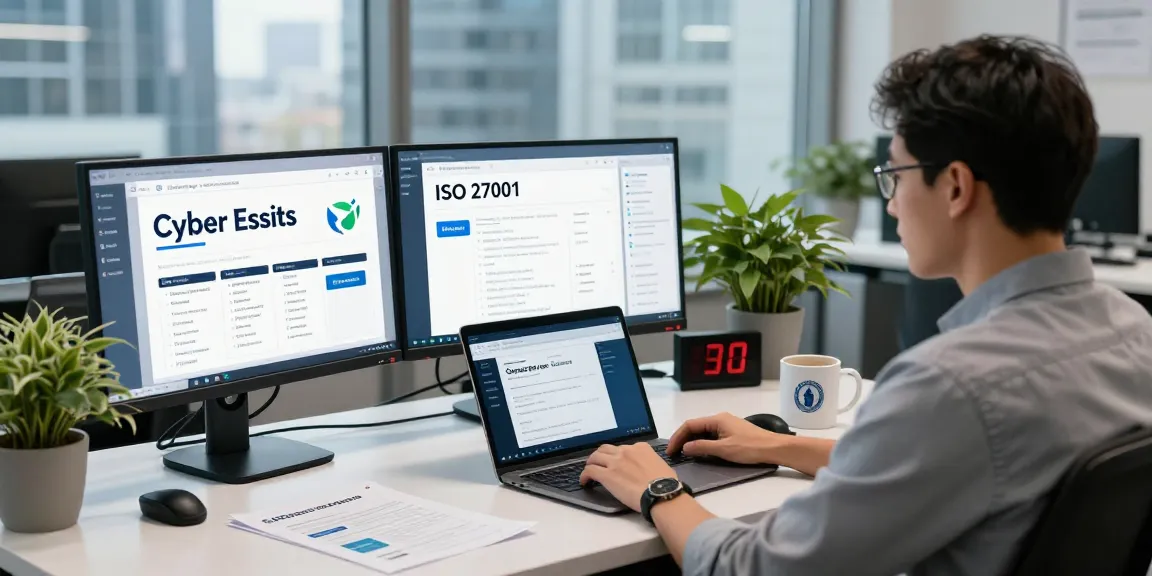
Understanding Cyber Essentials and ISO 27001
In today’s digitally driven world, cybersecurity has become a top priority for organizations of all sizes. As cyber threats continue to evolve, businesses must adopt robust security frameworks to protect their sensitive information and maintain trust with clients and stakeholders. Among the most recognized certifications in the UK are Cyber Essentials and ISO 27001, each designed to enhance cybersecurity practices. Understanding the differences and similarities between these two standards is crucial for organizations looking to bolster their cybersecurity posture and ensure compliance.
What is Cyber Essentials?
Cyber Essentials is a UK government-backed cybersecurity certification scheme aimed at helping organizations protect themselves against common cyber threats. It includes five key technical controls that establish a baseline of security and promote best practices within organizations. These controls include secure configuration, user access control, malware protection, security update management, and firewall management. Cyber Essentials certification signifies that an organization is taking proactive steps to mitigate cyber risks, making it particularly relevant for small and medium enterprises (SMEs) that may lack extensive cybersecurity resources.
What is ISO 27001?
ISO 27001 is an internationally recognized standard for information security management systems (ISMS). It provides a comprehensive framework for managing sensitive company information, ensuring its confidentiality, integrity, and availability. By implementing ISO 27001, organizations can systematically assess their information security risks and develop policies and controls to mitigate these risks. Unlike Cyber Essentials, which focuses on specific technical controls, ISO 27001 encompasses a broader range of security measures, including risk management and business continuity planning.
Key Similarities and Differences
While both Cyber Essentials and ISO 27001 aim to improve an organization’s cybersecurity posture, they do so from different angles. cyber essentials vs iso 27001 reveals some key similarities and differences:
- Focus: Cyber Essentials emphasizes technical controls to protect against specific threats, while ISO 27001 addresses the entire information security management process.
- Certification Process: Cyber Essentials can often be self-assessed, allowing organizations to achieve certification quickly. In contrast, ISO 27001 requires a thorough audit by an independent certification body.
- Scope: Cyber Essentials is more accessible, making it suitable for SMEs, whereas ISO 27001 is more comprehensive and may be better suited for larger organizations with complex information security needs.
- Continuous Improvement: ISO 27001 places a strong emphasis on continuous improvement and regular reviews of the information security management system, while Cyber Essentials focuses on maintaining essential controls without a formal management framework.
Implementation Strategies for Cyber Essentials and ISO 27001
Step-by-Step Guide to Achieving Certification
Achieving certification for either Cyber Essentials or ISO 27001 involves careful planning and execution. Here’s a breakdown of the steps for each:
Cyber Essentials Certification Steps:
- Conduct a self-assessment against the five Cyber Essentials controls.
- Address any identified vulnerabilities and implement necessary changes.
- Submit the self-assessment to an approved certification body or use self-assessment to obtain a certificate.
- Prepare for the annual renewal by ensuring controls remain effective.
ISO 27001 Certification Steps:
- Determine the scope of your Information Security Management System (ISMS).
- Conduct a risk assessment and identify potential information risks.
- Develop and document your ISMS policies and procedures.
- Implement security controls to mitigate identified risks.
- Conduct an internal audit and management review.
- Engage an independent certification body for an external audit and certification.
Common Challenges and Misconceptions
Organizations often face challenges when pursuing cybersecurity certifications. Common misconceptions include the belief that Cyber Essentials is sufficient for all cybersecurity needs or that ISO 27001 is overly complex and not necessary for smaller organizations. In reality, both certifications can complement each other, addressing various aspects of cybersecurity.
Continuous Compliance Practices
Achieving certification is only the beginning. Organizations must implement strategies for continuous compliance. This includes regular reviews of their cybersecurity practices, employee training, and staying updated on the latest cyber threats. Leveraging technology, such as automated compliance tools, can simplify the ongoing maintenance of security controls.
Cost Analysis: Cyber Essentials vs ISO 27001
Understanding Certification Costs
Cost is often a significant factor when considering cybersecurity certifications. Cyber Essentials typically has lower upfront costs, especially for SMEs. Its streamlined certification process and absence of external audits can make it more affordable. Conversely, ISO 27001 can involve higher costs due to the requirement for detailed documentation, risk assessments, and external audits. However, the investment can yield greater returns in terms of comprehensive risk management.
Budgeting for Continuous Compliance
In addition to initial certification costs, organizations should budget for ongoing compliance expenses. This may include regular audits, staff training, and technology updates. Continuous compliance is critical for both Cyber Essentials and ISO 27001, ensuring organizations maintain their security posture and adapt to new threats.
Return on Investment and Financial Benefits
Investing in cybersecurity certifications can lead to significant financial benefits. Organizations that achieve Cyber Essentials or ISO 27001 certification may experience reduced insurance premiums, increased customer trust, and fewer security incidents. A strong cybersecurity framework can also lead to competitive advantages when bidding for contracts or entering partnerships.
Real-World Applications and Case Studies
Success Stories of Cyber Essentials Certification
Numerous organizations have successfully implemented Cyber Essentials, particularly within the SME sector. For example, a local consulting firm achieved certification within a month, resulting in increased client confidence and securing new government contracts.
Organizations Excelling with ISO 27001
Many large enterprises, especially in finance and healthcare, have implemented ISO 27001 to manage their extensive information security needs. A financial institution that achieved ISO 27001 certification reported a 50% reduction in security incidents and enhanced trust among stakeholders.
Comparative Case Studies: CE vs ISO 27001
To illustrate the differences between the two certifications, consider two businesses: a small technology startup pursuing Cyber Essentials and a large multinational corporation implementing ISO 27001. The startup benefits from quick certification, achieving essential security measures, while the multinational organization invests in a comprehensive risk management strategy that aligns with global information security standards.
The Future of Cybersecurity Standards by 2026
Evolving Threat Landscapes
The threat landscape continues to evolve, with new cyber threats emerging regularly. Organizations must adapt their cybersecurity strategies to address these threats effectively. This may include adopting more advanced technologies and response frameworks.
Technological Advancements and Their Impact
As technology advances, so too do the methods used by cybercriminals. The integration of artificial intelligence and machine learning in cybersecurity can enhance threat detection and response. Organizations will need to stay abreast of these developments to remain competitive and secure.
Predictions for Cyber Standards Implementation
By 2026, it is expected that more organizations will adopt both Cyber Essentials and ISO 27001, recognizing the importance of a layered approach to cybersecurity. As regulations around data protection tighten, certifications will likely become essential for doing business in many sectors.
Do I need Cyber Essentials if I have ISO 27001?
Both standards can coexist within an organization’s cybersecurity strategy. Although ISO 27001 encompasses the controls outlined in Cyber Essentials, pursuing Cyber Essentials can demonstrate a commitment to basic cybersecurity practices, particularly for SMEs.
How are Cyber Essentials and ISO 27001 Complementary?
Cyber Essentials focuses on practical steps organizations can take to protect against the most common cyber threats, while ISO 27001 provides a more comprehensive framework for managing all aspects of information security. Together, they create a robust cybersecurity posture that can address various risks effectively.
What are the key controls in Cyber Essentials?
The five key controls of Cyber Essentials include:
- Firewalls: Implementing properly configured firewalls on all internet-facing devices.
- Secure Configuration: Ensuring that all systems are securely configured to minimize vulnerabilities.
- User Access Control: Managing user access rights to ensure that only authorized users can access sensitive data.
- Malware Protection: Implementing malware protection across all devices.
- Security Update Management: Keeping all systems and software up to date with the latest security patches.
Is Cyber Essentials Worth It for SMEs?
For SMEs, Cyber Essentials offers a cost-effective way to enhance cybersecurity measures and protect against common threats. The certification can improve client confidence and open doors to new business opportunities, making it a valuable investment for small businesses.
How often should I renew my Cyber Essentials certification?
Cyber Essentials certification must be renewed annually. Organizations should maintain their security controls and conduct regular reviews to ensure compliance and adapt to emerging threats, making renewal a straightforward process rather than a major overhaul each year.