
Understanding Window Tint: What You Need to Know
What is Window Tint?
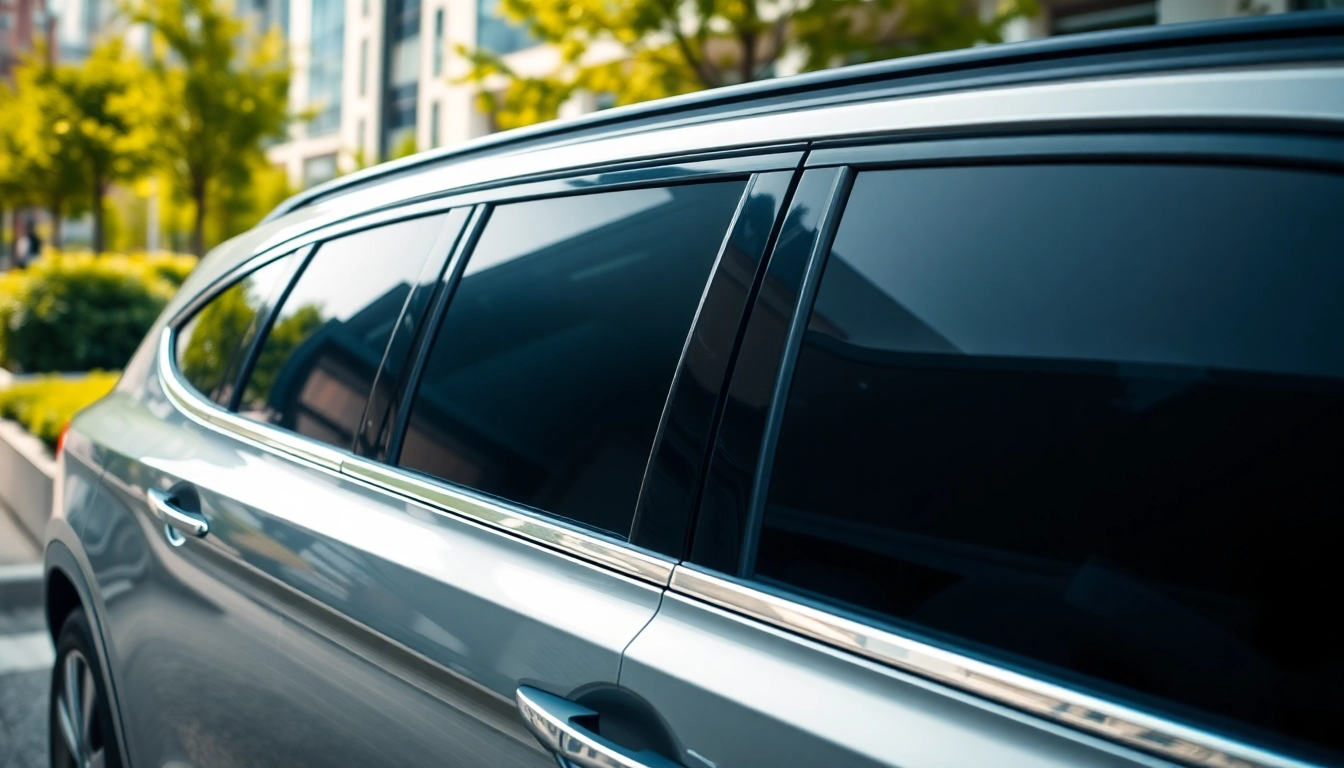
Window tinting involves applying a thin film to the glass surfaces of vehicles, homes, or businesses. This film can vary in darkness and composition, providing numerous functions from aesthetic enhancement to practical benefits. The application of window tint can enhance the appearance of a vehicle while also providing protection from UV rays and heat. Choosing a residential or automotive window tint can significantly alter how light enters the space, improving comfort and reducing glare.
Benefits of Window Tinting
Window tinting offers multiple advantages, making it a popular choice for vehicle owners and homeowners alike. Some of the key benefits include:
- UV Protection: Window tint can block up to 99% of harmful UV rays, protecting both occupants and the interior furnishings of vehicles and homes from sun damage.
- Temperature Regulation: By reducing heat entering a vehicle or property, window tinting can create a more comfortable environment while also decreasing reliance on air conditioning.
- Increased Privacy: Tinted windows can enhance privacy and security, preventing outsiders from easily peering inside vehicles or homes.
- Enhanced Aesthetics: Tinting can improve the overall look of a car or building, adding a sleek and polished appearance.
- Glare Reduction: Tinted windows significantly reduce glare from the sun and headlights, improving visibility and comfort while driving or working indoors.
How to Choose the Right Tint Level
Selecting the appropriate level of window tint is essential for maximizing benefits while adhering to local laws. window tint near me can greatly impact your experience, and understanding the various levels of tint can help you make an informed choice. Levels of tint are measured in Visible Light Transmission (VLT) percentage, with lower percentages indicating darker tints. Here are some points to consider:
- Local Regulations: Check the laws in your area as they may limit how dark you can legally tint your windows.
- Purpose: Consider whether your priority is heat reduction, privacy, protection from UV rays, or aesthetics.
- Personal Preference: Finally, it’s crucial to choose a shade that you find visually appealing and suitable for your lifestyle.
The Types of Window Tint Available
Dyed Window Film
Dyed window film is one of the most common and budget-friendly options. It consists of a layer of dye that absorbs heat rather than reflecting it. This type of tint can enhance privacy, reduce glare, and add style without mirroring effects. However, it is not as effective at blocking heat compared to other types of films.
Metallized Window Film
Metallized window films utilize microscopic metal particles to reflect heat and sunlight. These films demonstrate superior durability and efficiency in temperature regulation compared to dyed films. They also add a degree of privacy and security; however, they can interfere with electronic signals, which is an important consideration for some users.
Ceramic Window Film
Ceramic window films are the premium type of tinting available. They offer optimal performance, blocking up to 99% of harmful UV rays while allowing excellent visibility. Unlike dyed or metallized films, ceramic films do not contain metals, so they don’t interfere with electronic devices. Although they may come at a higher cost, their longevity and effectiveness make them a worthwhile investment for many.
Factors to Consider When Searching for Window Tint Near Me
Local Regulations and Laws
Before proceeding with window tinting, researching local regulations is crucial. Different regions have varying laws related to the allowable levels of tint on vehicles and buildings. Many states mandate specific VLT percentages for certain windows, especially those adjacent to the driver’s seat. Understanding these regulations is essential to avoid fines and ensure compliance.
Quality and Warranty of Products
The quality of window tinting films can differ significantly. It’s essential to choose products that come with warranties and are made from high-quality materials. A warranty can protect you against defects and degradation over time, ensuring you get the most value from your investment. Look for reputable brands known for their performance and durability.
Customer Reviews and Recommendations
When searching for window tint options or installers, evaluating customer reviews and testimonials is invaluable. Consider visiting local forums or review platforms to gauge other clients’ experiences. Recommendations can provide insights into the quality of service, product effectiveness, and the overall satisfaction level of previous customers.
Installation Process for Window Tint
Preparing Your Vehicle
Before getting your windows tinted, certain preparations are necessary. Make sure your vehicle is clean and free of debris, as dust can affect adhesion. It’s also advisable to have your windows thoroughly cleaned and inspected for any existing damage that may affect the installation process.
Choosing a Professional Installer
Opting for professional installation can ensure that the process is performed correctly, with high-quality results. Look for certified installers with experience and positive testimonials. A professional will guarantee the window film is applied evenly without bubbles or imperfections, enhancing the film’s longevity and utility.
Post-Installation Care
After your windows are tinted, it’s crucial to follow specific care guidelines to maximize the film’s lifespan. Avoid rolling down your windows for a few days to allow the adhesive to cure properly. Regular cleaning with non-abrasive solutions is encouraged to maintain clarity and appearance. Additionally, ensure that no strong chemicals are used on the windows, as this may degrade the film over time.
Frequently Asked Questions on Window Tint Near Me
How long does window tint last?
Depending on the quality of the film and installation, window tint can last anywhere from five to fifteen years. High-quality films and professional installation typically yield longer-lasting results.
Can I remove window tint myself?
While it’s possible to remove window tint yourself, it can be challenging. DIY removal can lead to damage to the window if not done correctly. Professional removal is recommended for the best results.
What is the best tint for privacy?
The best tint for privacy is typically a darker shade with a low VLT percentage. Ceramic and metallized films often provide excellent privacy while also blocking heat and UV rays effectively.
How much does window tinting cost?
Costs vary widely based on the type of film chosen, the size of the vehicle, and installation fees. On average, expect to spend anywhere from $200 to $800 for professional tinting services.
Is window tinting worth the investment?
Yes, window tinting can be a worthwhile investment. It enhances comfort, protects against harmful UV rays, and adds an aesthetic touch to your vehicle or property, often leading to cost savings on energy bills in the long run.