
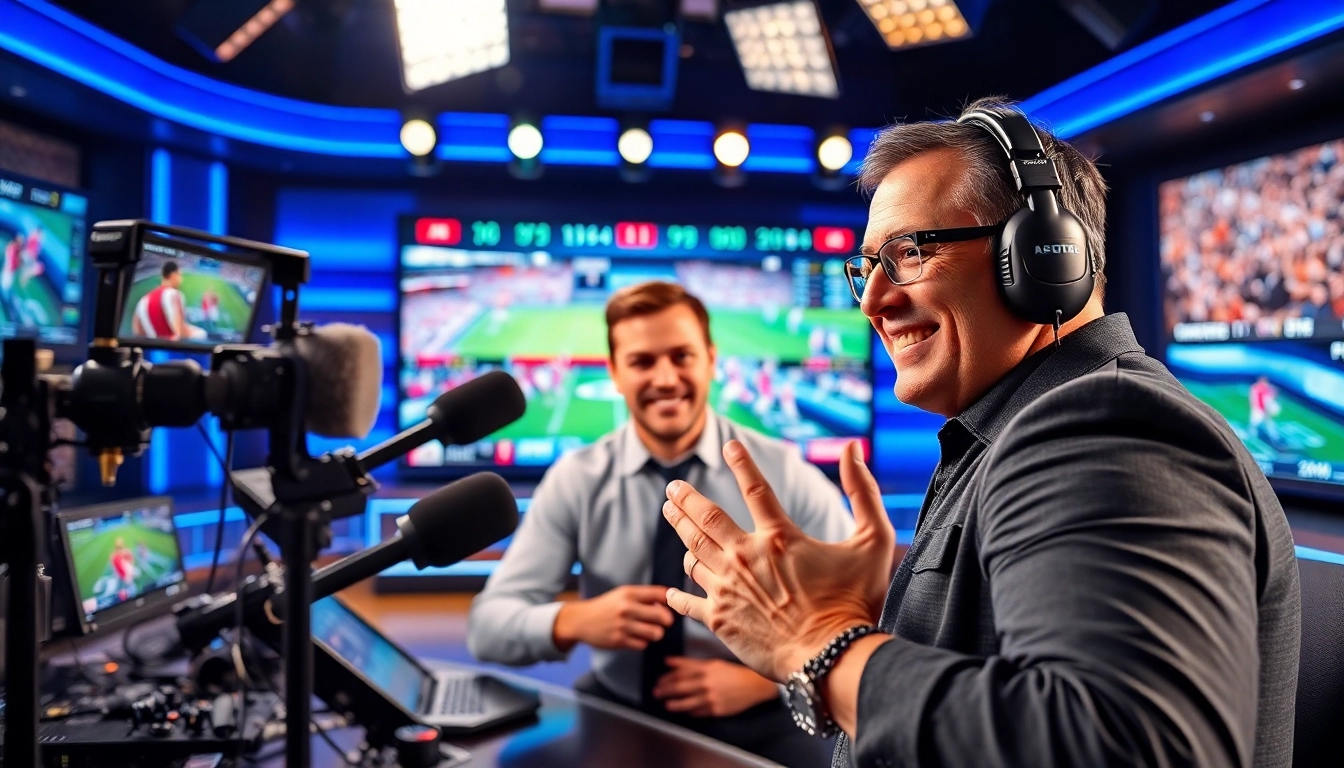
Understanding the Basics of Sports Broadcasting
What is Sports Broadcasting?
Sports broadcasting is the process of delivering live sports events and related content to various platforms, allowing viewers to experience the action in real-time. It encompasses television, radio, and digital media, reaching audiences worldwide. The industry has evolved significantly, utilizing technology and innovative storytelling to engage viewers. Understanding the fundamentals of sports broadcasting, including its history, forms, and development, is crucial for those entering the field. By grasping the intricacies, aspiring broadcasters can better appreciate their role in delivering captivating sports experiences to fans. For more detailed insights on Sports Broadcasting, it’s important to delve deeper into this fascinating domain.
Key Roles in the Broadcasting Team
The success of any sports broadcasting operation relies on a collaborative team of professionals. Each member plays a vital role in delivering seamless coverage. Key roles include:
- Play-by-Play Announcer: Responsible for describing the action as it happens, providing context and excitement.
- Color Commentator: Offers expert analysis and insights, enriching viewer understanding of the game.
- Producer: Oversees the broadcast, coordinating various elements like camera shots and graphics.
- Director: Guides the camera operators and other technical crew in real-time to ensure a cohesive viewing experience.
- Graphic Designer: Creates visual elements that enhance storytelling and convey statistics and data effectively.
Essential Equipment for Sports Broadcasting
To capture and transmit the excitement of sports events, broadcasters rely on advanced technology and equipment. Essential tools include:
- Cameras: High-definition cameras capable of capturing fast-paced action from multiple angles are crucial.
- Microphones: Quality audio equipment ensures clear communication between announcers and back-end teams, as well as capturing on-field sounds.
- Switchers: These devices allow for seamless transitions between different camera feeds and graphics.
- Editing Software: Enables post-production enhancements such as highlight reels and analysis segments.
- Live Streaming Technology: Essential for delivering broadcasts online, reaching audiences on various digital platforms.
The Importance of Audience Engagement in Sports Broadcasting
Techniques for Captivating Viewers
Engaging an audience is paramount in sports broadcasting. Techniques that captivate viewers include:
- Storytelling: Narratives enhance emotional connections with teams and athletes, making matches more relatable.
- Interactive Elements: Polls, trivia, and live Q&A segments encourage viewer participation, making them feel integral to the experience.
- High-Quality Graphics: Visually appealing stats and visuals help convey critical game information, enhancing viewer understanding and enjoyment.
- Guest Experts: Inviting athletes, coaches, or analysts can diversify perspectives and enrich commentary.
The Role of Social Media in Sports Broadcasting
Social media is a dynamic force in sports broadcasting, providing platforms for real-time interaction and engagement. Broadcasters leverage these channels to share highlights, behind-the-scenes content, and engage with audiences. Key benefits of social media involvement include:
- Immediate Feedback: Broadcasters can gauge audience reactions quickly and adjust content accordingly.
- Building Community: Social media helps foster a sense of belonging among fans and enhances team loyalty.
- Cross-Promotion: Highlights and teasers can drive traffic to full broadcasts, increasing viewership.
Creating Interactive Content
Interactive content enhances viewer engagement by making them active participants rather than passive observers. Effective strategies include:
- Live Chats: Facilitating discussions during broadcasts allows fans to share insights and celebrate moments.
- Fantasy Sports Integration: Incorporating fantasy elements can increase investment in games as fans track player performances.
- Mobile Apps: These can provide real-time stats, polls, and notifications to keep viewers informed and engaged, even on the go.
Best Practices for Sports Broadcasting Coverage
Preparing for Live Events
Preparation is crucial for successful sports broadcasting. Preparatory steps include:
- Research: Understanding team statistics, player histories, and recent performances helps broadcasters provide context.
- Pre-Show Meetings: Collaborating as a team ensures everyone understands their roles, the flow of the broadcast, and key talking points.
- Testing Equipment: Conducting technical checks before the event guarantees all equipment is functioning properly.
Maintaining Professionalism On-Air
Professionalism is vital in sports broadcasting. Announcers and crew should adhere to guidelines that foster credibility, including:
- Respectful Language: Avoiding inappropriate language and maintaining decorum fosters a positive viewing experience.
- Adherence to Timelines: Managing segments within allotted times demonstrates respect for the audience.
- Neutrality: While personal biases may exist, maintaining objectivity ensures balanced coverage.
Balancing Analysis and Entertainment
Striking a balance between analysis and entertainment is key to engaging broadcasts. Best practices include:
- Contextual Commentary: Providing insightful analysis while keeping it accessible ensures that both novices and experts remain engaged.
- Humor: Light-hearted commentary can enhance enjoyment without detracting from the sport’s seriousness.
- Highlighting Key Moments: Replaying critical plays while offering analytical insight fosters understanding and excitement.
Improving Technical Skills in Sports Broadcasting
Scriptwriting for Broadcasts
Effective scriptwriting is fundamental in sports broadcasting, providing a clear structure for content delivery. Key aspects include:
- Clear Objectives: Establishing what each segment aims to convey helps maintain focus.
- Dynamic Language: Using vivid, energetic language enhances excitement and keeps audiences engaged.
- Flexibility: Scripts must allow for spontaneity, especially during live events where the unexpected can happen.
Mastering Voice and Delivery
Your vocal presence develops through practice and awareness. Techniques to improve delivery include:
- Voice Modulation: Altering pitch and tone can convey emotion and urgency, enhancing storytelling.
- Pacing: Appropriate pacing ensures clarity and keeps the audience engaged throughout the broadcast.
- Feedback: Regularly seeking constructive feedback can lead to significant improvements in delivery.
Utilizing Technology for Enhanced Coverage
Advancements in technology significantly enrich sports broadcasts. Effective utilization strategies include:
- Data Analytics: Leveraging statistics can provide deeper insights during discussions.
- Augmented Reality: Implementing AR can enhance the viewer experience by providing real-time stats and visuals.
- Drone Coverage: Utilizing drones can offer unique aerial views of events, improving storytelling.
Measuring Success in Sports Broadcasting
Key Performance Indicators to Track
To assess the effectiveness of sports broadcasting, specific performance indicators should be monitored, such as:
- Viewership Numbers: Tracking how many viewers tune in provides insight into content appeal.
- Engagement Metrics: Analyzing social media interactions indicates audience participation and reaction to broadcasts.
- Retention Rates: Understanding viewer retention during broadcasts can highlight content effectiveness and areas for improvement.
Understanding Audience Metrics
Grasping audience metrics allows broadcasters to tailor content effectively. Important metrics include:
- Demographics: Understanding the age, gender, and location of audiences can help in creating targeted content.
- Viewer Feedback: Analyzing comments and ratings can pinpoint what resonates with the audience.
- Device Usage: Knowing whether viewers are watching on mobile, desktop, or TV can guide technology investment and formatting choices.
Iterating Based on Feedback
Feedback is a powerful tool for growth in sports broadcasting. Best practices involve:
- Surveys: Encouraging audience surveys post-broadcast aids in collecting constructive feedback.
- Focus Groups: Engaging with fans directly can provide comprehensive insights into their preferences.
- Data Analysis: Regularly reviewing performance data allows for informed decisions regarding content alterations.
FAQs
What is the difference between sports broadcasting and sports journalism?
Sports broadcasting focuses on delivering live sports coverage, while sports journalism involves reporting on sports-related news and events through articles and interviews.
What skills are essential for a sports broadcaster?
Key skills include excellent communication, strong analytical abilities, charisma, and knowledge of sports along with technical expertise in broadcasting equipment.
How can social media impact sports broadcasting?
Social media allows broadcasters to engage with audiences in real-time, share highlights, and create discussions, enhancing viewer interaction and loyalty.
What role does analysis play in sports broadcasting?
Analysis provides deeper insights into gameplay and strategies, enriching the viewer experience by offering expert perspectives beyond just the live event.
How can one improve their on-air delivery?
Practicing voice modulation, clarity, and pacing, along with receiving feedback from peers, can significantly enhance on-air delivery and presence.